We attended yesterday’s Council meeting to hear what Councillors made of the recent survey on priorities for the next Long Term Plan — the plan that will help determine your rates for the next three years and beyond.
What we heard raised some serious questions.
More than 70% of respondents supported principles such as “live within our financial limits”, “prioritise the must-dos” and “growth pays for growth” — yet Councillors appeared reluctant to draw conclusions from those results.
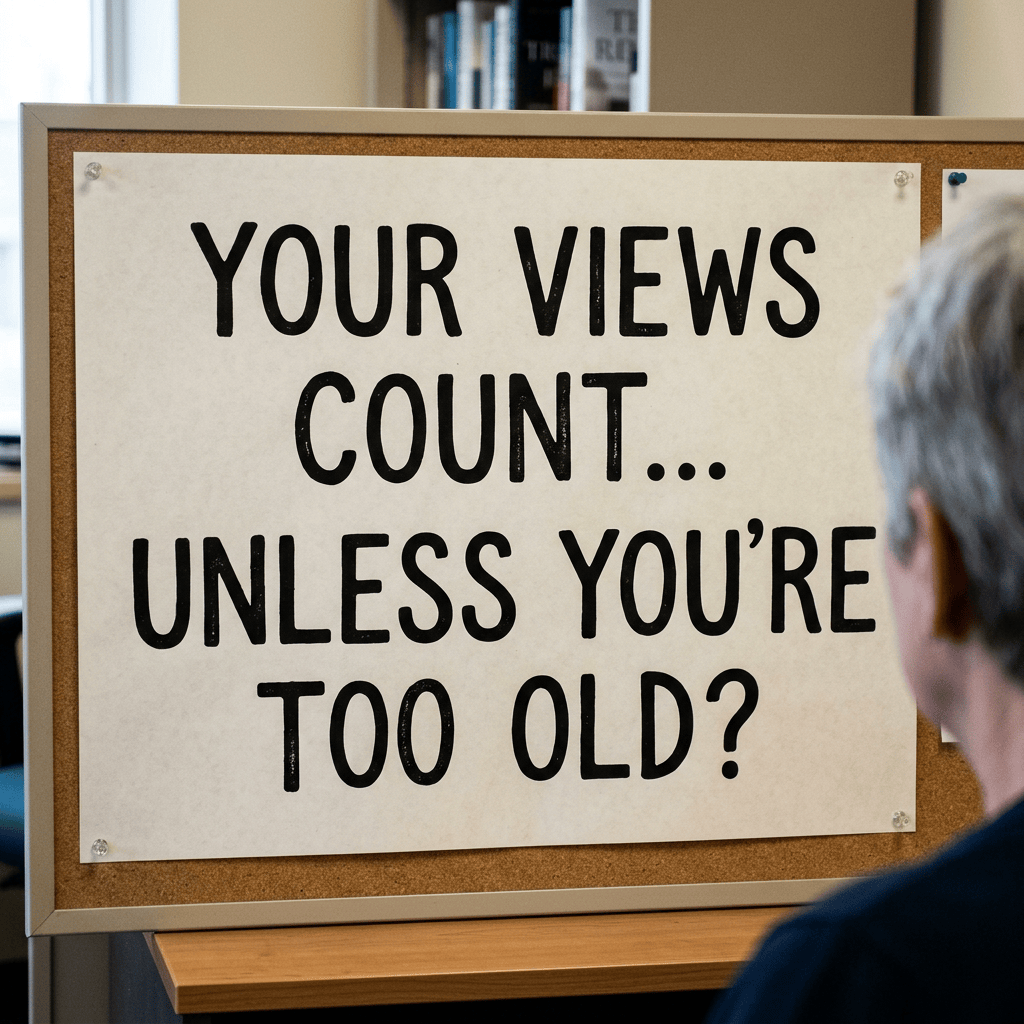
And with 56% of respondents aged 60+, questions were raised about whether the survey can be relied on because “too many” older people responded.
So what happens now?
We’ve identified five key takeaways from yesterday’s meeting — and some important questions for Kapiti ratepayers.
- When the survey came out, we were worried that it was an open-ended, all-things-to-all-people survey. We were worried that the list of ‘priorities’ that were included in the survey were an unfocused mix of functions and aspirations that were not going to give the Council useful feedback to discern key choices needed to keep spending focused and future rates affordable. And so it has proved. In the report summarising the survey results, there was every possible viewpoint that anyone could ever have. There are responses calling for more spending or less spending; for more expansive roles in a range of areas or more restrictive roles; or working to a strict financial constraint or suggestions that assume the Council has an unlimited source of funds. Watching the Councillors at the meeting, it seems they are not sure what to do with it, and so they have passed it over to Council officials to try to make some sense of it all, without giving the officials any steer at all.
- About 56% of survey respondents were “older people” (that is, 60 years or older), and it is now a real worry that the Council may not be inclined to listen to what those respondents had to say. Why? – because too many older people responded to the survey and not enough younger people did. Councillors tried to say that they were not discounting the views of the older people as recorded in the survey, but it seems to be a real risk that they will. How do we know this? See point (3) below…
- To his credit, Councillor Glen Cooper tried to suggest some conclusions that could be drawn from the exercise so far. Because over 70% of respondents supported them, he suggested there was strong community support for the following principles: “live within our financial limits”, “prioritise the must-dos” and “growth pays for growth”. You would think this is uncontroversial. But he was immediately rebuked by a Community Board member who said that no such conclusion could be drawn as there were too many old people answering the survey and not enough younger people did. And this despite the fact that the Council had run targeted focus groups as well as a resident’s survey and the survey results included feedback from four youth-targeted focus group sessions, including a class of intermediate-level school children. No Councillor challenged the Community Board member’s view or spoke in support of Councillor Cooper. So, it seems, you can’t conclude any of that at all – because too many of the wrong people filled out the survey.
- One conclusion that does seem to have been drawn is that the Council’s proposed “community priority” of “equality” could be replaced with “equity”, as this was mentioned by five of the eleven focus groups the Council ran. While it is good that the Council is acting on feedback and is testing this suggestion, we are curious why this is being taken forward when Councillors rejected Councillor Cooper’s suggestion to endorse conclusions that had over 70% of survey respondents’ support. Is it that this is less about how many people supported a view, but who actually supported a view, irrespective of how many supported it? And the concept of “equity” itself will be very challenging – and possibly expensive for residents …. equity of what is the Council now considering?
Well, so much for that then. It seems that the Council is now in a bit of no-man’s land …. too many conflicting views expressed in the survey to help the Council decide priorities, and apparently too much of the feedback is from older people for the results to be reliable anyway. And the meeting was inconclusive as to what the Council will actually do now, other than to hand it over to officials and hope that some magic happens. - A key requirement of designing any engagement process is to use tools and techniques that give you results that you can actually use. If Councillors only want to use demographically representative information, they should use a polling company to design and run a demographically representative survey. It could be expensive to do, but so is what KCDC have just done. And what KCDC has just done has apparently generated results that some? many? most? Councillors regard as untrustworthy – because too many respondents are too old. And in the future KCDC should be honest with you that there is no point you submitting if you are in the wrong demographic.
For our part, we are developing a model of KCDC’s core services – that should be just provided by KCDC at a reasonable cost – and those Council activities where we suggest there is a genuine choice about whether they should be provided at all, and (if so) how much could be spent. We’ll share this with you and the Council when its finished. We think this will provide a better basis to decide how much Council should spend, and on what, than what’s happening now.
We spoke at the meeting, our speaking notes can be found here https://concernedratepayerskapiti.org/long-term-plan-2026-27/


Leave a comment