

A Technical and Social Analysis of Kāpiti Coast District Council’s Debt Policy and Optimal Strategy
Introduction
Intergenerational debt is central to how councils like Kāpiti Coast District Council (KCDC) fund, maintain, and renew large, long-lived public assets. The method and pace of debt repayment determine which generations bear the cost for assets that serve the community over decades. This article synthesizes the technical, legislative, social, and strategic dimensions of KCDC’s aggressive debt reduction strategy, incorporating the perspectives of key social groups, the specific upsides and risks of this approach, and recommendations for the best way forward in the current demographic and geopolitical context [1] [2]
Legislative and Policy Context
The Local Government Act 2002 (LGA) requires councils to:
- Manage finances prudently and promote intergenerational equity, ensuring costs are distributed fairly across those who benefit.
- Maintain a balanced budget and ensure debt levels are sustainable.
- Fund capital expenditure for long-lived assets with debt, so repayment aligns with the period of benefit [1]
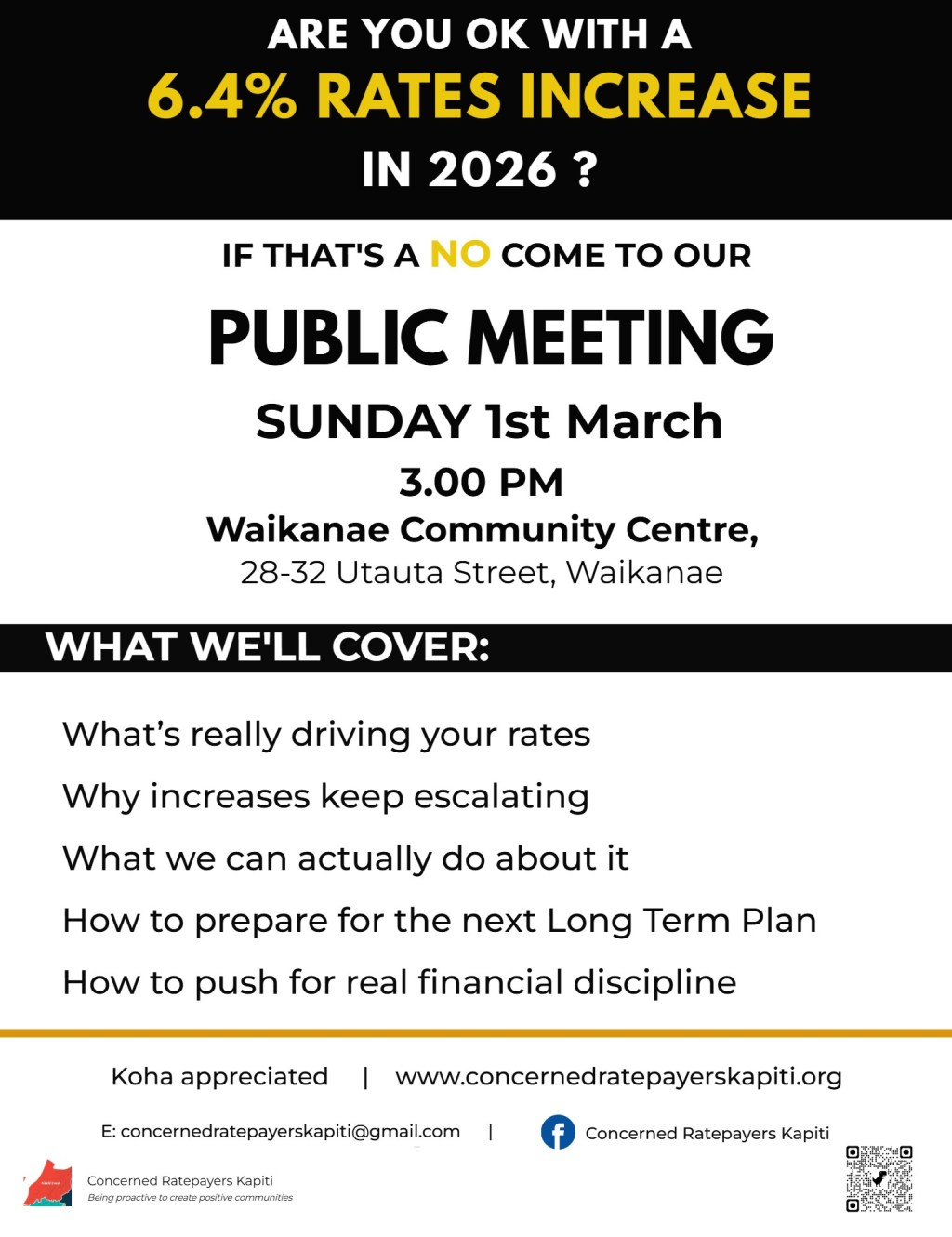
KCDC’s Long-Term Plan (LTP) 2024–34 adopts a policy of aggressive debt reduction, primarily through above-inflation rates increases, to create borrowing headroom for future shocks and opportunities. This is a policy choice, not a legislative requirement [1] [2]
Who Pays? Social Group Perspectives
1. Retired Pensioners
- Impact: Fixed incomes make pensioners highly vulnerable to rates increases. KCDC projects rates to rise by 143% over 10 years, well above inflation, eroding their ability to afford essentials [1] [2]
- Equity Issue: Pensioners pay a disproportionate share for assets that will outlast their use, violating intergenerational equity.
- Lived Reality: Many already spend 4.7% of median income on rates, projected to rise to 7.5%, exceeding affordability benchmarks [1]
2. Young Renters Aspiring to Home Ownership
- Impact: Higher rates are passed on as higher rents, making it harder for young people to save for a deposit and get on the property ladder.
- Equity Issue: Young renters pay more today for future infrastructure they may not benefit from for years, while facing some of the worst rental affordability in the country [1]
- Lived Reality: Kāpiti’s rental market is already stretched, with limited affordable options and high demand.
3. Young Family Homeowners
- Impact: Young families with new mortgages face a “double debt” burden: rising rates on top of high home loan repayments.
- Equity Issue: While families may benefit from community assets, the immediate cost is high and the benefits of future “headroom” are speculative.
- Lived Reality: Rising rates, insurance, and living costs can strain household budgets, making home ownership less secure [1]
Technical Analysis: Debt Policy Options and Social Impacts
| Strategy | Who Pays Now? | Who Pays Later? | Intergenerational Equity | Impact on Pensioners | Impact on Young Renters | Impact on Young Families |
| Aggressive Repayment | High | Low | Poor | Severe | Rents rise, less saving | Double burden |
| Debt Over Asset Life | Moderate | Moderate | High | Manageable | Rents stable | Predictable costs |
| Asset Recycling | Low | Low | Moderate | Relief if targeted | Neutral | Neutral |
| Revenue Diversification | Moderate (fees) | Moderate | Moderate | Lower rates, more fees | Higher user fees | Lower rates, more fees |
Upsides of the Aggressive Debt Reduction Policy
- Financial Resilience: By reducing net debt by $153 million over 10 years, KCDC will have significant headroom under its statutory debt limit (projected $422 million in 2034), allowing rapid borrowing if needed for major, unexpected events [1]
- Lower Future Interest Costs: Annual interest cost savings are projected at $7 million by 2033/34 compared to a scenario without early debt repayment, freeing up funds for other uses [1]
- Improved Credit Profile: A lower debt burden and fully funding depreciation from rates may improve the council’s credit rating, but was not expected to have any impact on its finance costs, strengthening its reputation for prudent management [1] [3]
- Capacity to Respond to Shocks and Opportunities: More borrowing headroom allows the council to respond quickly to unplanned events—such as disasters, infrastructure failures, or sudden regulatory changes—without breaching debt limits or cutting services [1]
- Positioning for Growth: The policy ensures the council can fund new infrastructure or major upgrades as the district grows, without immediately hitting debt ceilings [1]
What Could Trigger Use of Debt Headroom?
The rationale for creating substantial debt headroom is to ensure the council can respond to major, unpredictable events or opportunities. Conceivable scenarios include:
- Natural Disasters: Earthquakes, floods, or storms causing widespread damage to core infrastructure (roads, water, wastewater, stormwater, coastal protection) [1]
- Infrastructure Failure: Unexpected failure of critical assets (e.g., water treatment plants, bridges) necessitating immediate capital spending [1]
- Regulatory or Legislative Changes: New government mandates (e.g., higher drinking water standards, new environmental regulations) requiring large, unplanned capital investments [1]
- Loss of Major Revenue Streams: Central government policy changes reducing council income, requiring borrowing to bridge funding gaps [1]
- Sudden Population Growth or Economic Opportunity: Rapid infrastructure expansion needed to support new residents or businesses [1]
Demographics, Geopolitics, and the Best Strategy for KCDC Ratepayers
Demographic Realities
- Kāpiti has a high proportion of retirees on fixed incomes, a growing cohort of young families, and some of the worst rental affordability in New Zealand [1]
- Median incomes are below the regional average, and the district’s population is forecast to grow, increasing infrastructure demand [1]
Geopolitical and Economic Pressures
- High inflation, rising insurance costs, and ongoing supply chain risks are driving up council costs, but not always at the rate claimed [2]
- Central government reforms (e.g., Three Waters) add uncertainty to future funding and asset management.
On Balance: The Best Strategy
Given these realities, the optimal approach for KCDC is a balanced, multi-lever strategy:
1. Align Debt Repayment with Asset Lifecycles
- Repay debt over the useful life of infrastructure, not faster. This ensures both current and future residents pay their fair share for assets they use, supporting intergenerational equity and reducing annual rates increases [1] [2]
2. Moderate Rates Increases and Diversify Revenue
- Limit annual rates increases to around 6%, aligning more closely with inflation and wage growth, rather than the planned 7–8% [1] [2]
- Expand user-pays models and targeted fees for services, so those who benefit most contribute more directly, and cost recovery keeps pace with inflation [2]
3. Control Operational Spending and Recycle Non-Core Assets
- Defer or scale back non-essential projects and focus on core infrastructure. Sell or repurpose underutilised assets to generate lump-sum debt relief [2]
4. Strategic Borrowing and Financial Resilience
- Extend debt maturities and use green bonds for climate projects, preserving headroom for future shocks but without overburdening today’s ratepayers [2]
Conclusion
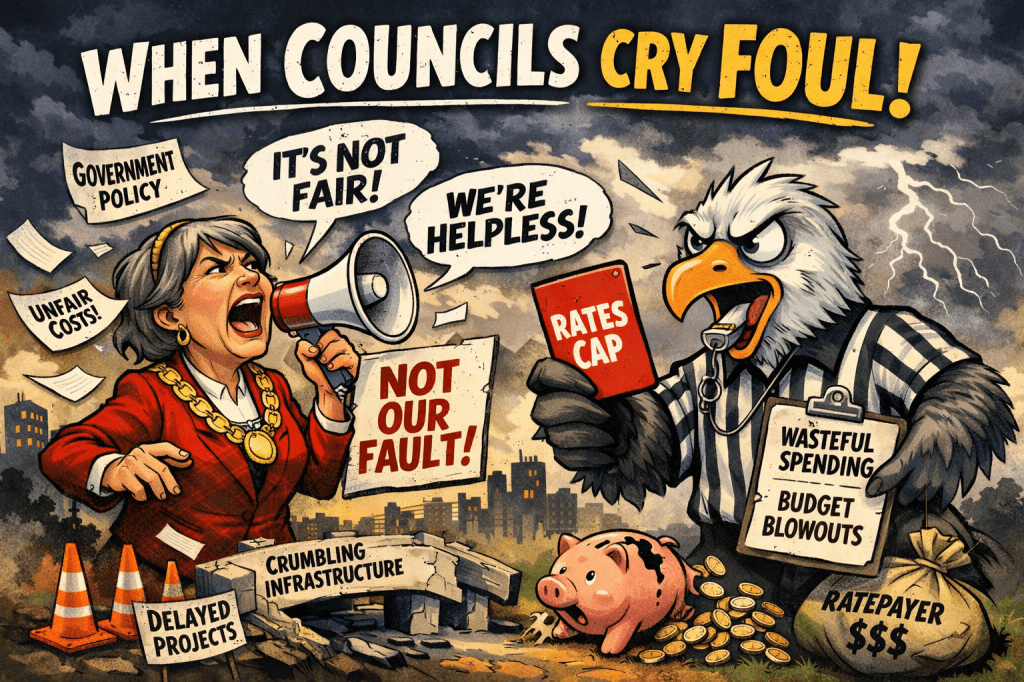
KCDC’s current aggressive debt reduction policy delivers financial resilience and future flexibility but does so by placing a heavy and arguably inequitable burden on today’s ratepayers—especially retirees, renters, and young families.
Given the district’s demographic profile, rising costs, and growing uncertainty from climate and regulatory change, a more balanced approach—spreading debt repayment over asset lifecycles, moderating rates increases, diversifying revenue, and seeking external funding—better aligns with the principles of intergenerational equity and community affordability. This strategy ensures Kāpiti remains resilient and prosperous, while sharing costs fairly across all who benefit, now and in the future.
Sources:
[1] long-term-plan-2024-34-document_final-v2.pdf
[2] KDCD-Financial-Analysis-March-2025.pptx
[3] kcdc-annual-report-2023-24.pdf

 Concerned Ratepayers Kapiti
Leave a comment